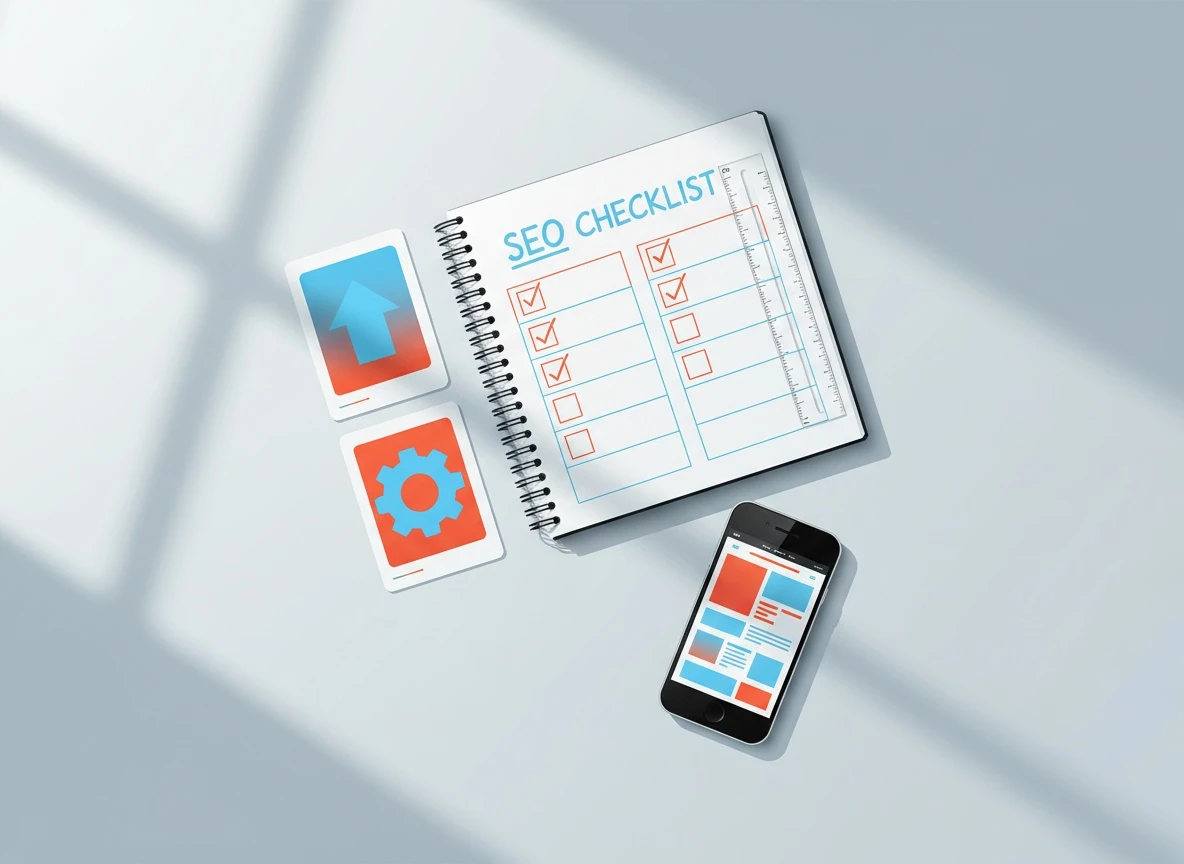
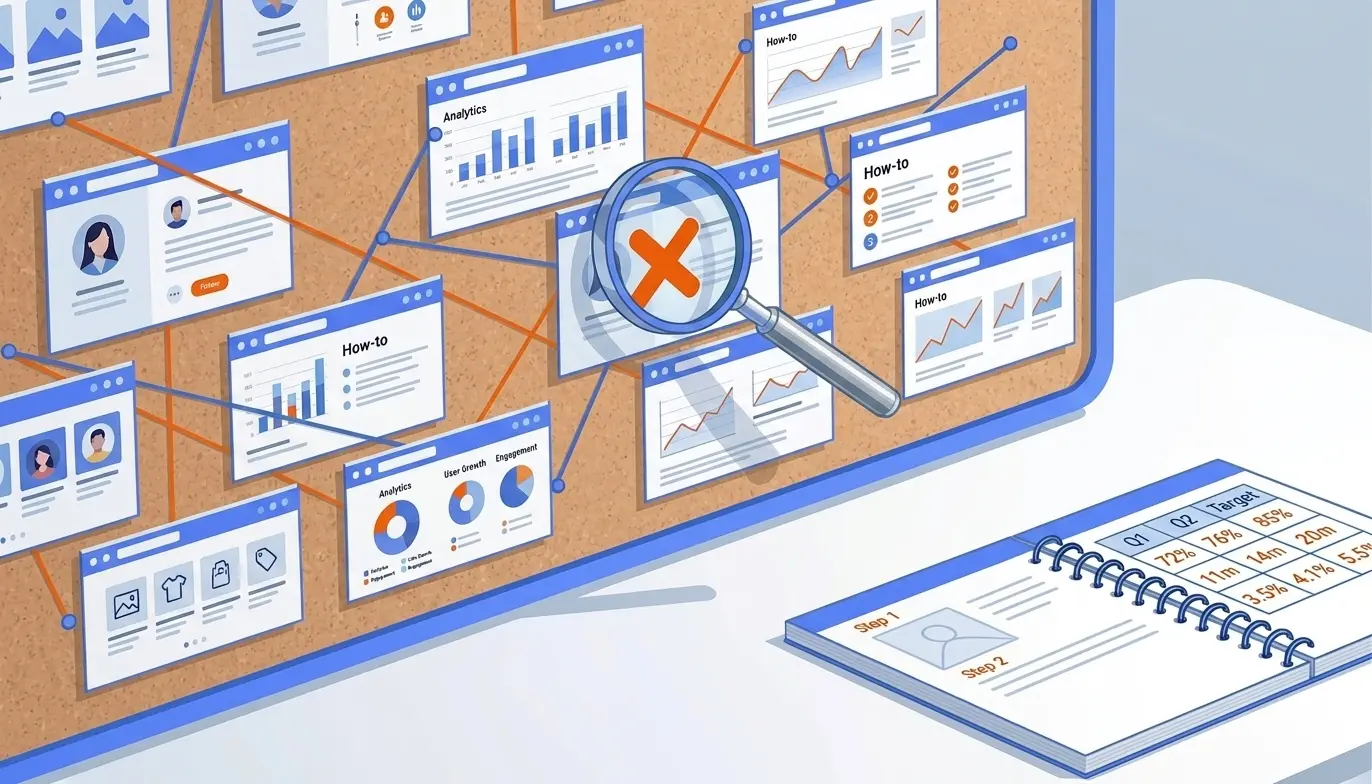
on page seo services decisions start earlier than most first-time Wix users expect: the builder you choose affects how much control you’ll have over titles, headings, URLs, redirects, canonicals, and even how predictable your publishing workflow stays as you scale. This guide compares Wix Editor vs Wix ADI specifically for SEO outcomes, with the exact controls that matter in 2026 and the pitfalls that cause avoidable ranking loss.
What SEO controls do you get in Wix Editor vs ADI (and why it matters for on page seo services)?
Wix Editor generally gives you the most predictable, granular control over on-page elements. Wix ADI can get a site live faster, but it tends to abstract decisions you will eventually want to own, especially once you care about consistent templates, internal linking, and scaling content.
Here’s the practical difference I see in real projects: Editor is built for intentional site architecture, while ADI is built for speed-to-launch. Speed-to-launch is great until you need repeatable SEO patterns.
SEO control area
Wix Editor
Wix ADI
What this changes in practice
Page title + meta description
Full control per page, plus patterns
Usually available, but less comfortable at scale
Editor makes bulk QA easier when you have 30+ pages
Heading structure (H1-H3)
You can set and audit headings more deliberately
ADI layouts can be more “pre-decided”
Headings drift happens more often in ADI builds
Canonical behavior
Wix handles canonicals automatically in most cases
Similar, but harder to diagnose template-driven issues
When something looks off, Editor is easier to troubleshoot
Structured data
Wix outputs some schema automatically; you can add custom markup in some contexts
Similar baseline; customization can be more constrained
Advanced schema work is more predictable in Editor
Redirect management
Robust redirect manager once you start moving pages
Same Wix redirect manager, but ADI-to-Editor changes create more needs
Switching builders increases redirect workload
SEO settings patterns
More site-wide patterns and repeatable structures
More guided, fewer knobs
Patterns matter when you publish weekly
Two important clarifications:
Wix has improved its SEO fundamentals a lot. Indexing, mobile friendliness, and core settings are not “broken” by default.
The friction shows up when you move from a 5-page brochure site to a content engine with blog posts, collections, and programmatic pages.
How templates impact URL structure and page hierarchy (the hidden SEO tax)
Your template choice is not just design. It shapes navigation, page nesting, and how consistently you can keep URLs clean.
Definition worth remembering: URL structure is an indexing and internal-linking problem before it’s a keyword problem. If your hierarchy is messy, Google wastes crawl budget and your own internal links stop reinforcing the right pages.
In Wix Editor, you can typically:
Create clearer parent-child page relationships in menus.
Control slugs more intentionally as you add sections.
Keep “utility pages” (thank-you pages, policy pages) out of primary navigation while still accessible.
In Wix ADI, you often inherit a structure that “looks right” visually but is less deliberate architecturally. The most common failure mode I’ve seen is a site that ends up with too many top-level pages, each competing for similar intent, because ADI encourages you to add sections as new pages.
If you care about long-term predictability, decide early whether you’re building:
A classic multi-page site (services, about, contact, resources)
A content-led site (blog as the acquisition engine)
A hybrid with collections (locations, products, listings)
That decision affects your seo sitemap behavior too. Wix auto-generates an XML sitemap; your job is to ensure the right pages are indexable and the wrong ones are not. Google’s own documentation on how sitemaps help discovery is worth skimming because it explains why “in sitemap” does not mean “will rank”.
What’s different for blogging, collections, and internal links (where SEO wins or loses)
Blogging and collections are where Wix sites either compound traffic or stall.
Definition: Internal links are your site’s routing layer. They tell Google what you consider important, and they reduce the odds that new pages sit undiscovered for weeks.
Blogging: Editor tends to be easier to systematize
Wix’s blog functionality works on both, but Editor sites are usually easier to standardize because you can align:
Blog post templates with consistent heading patterns
Category pages with intentional copy blocks
Navigation and “related posts” modules for internal linking
If you are evaluating content platforms broadly (not just Wix), compare your options against best blogging sites for SEO and what to choose. Even if you stay on Wix, it helps you think in terms of publishing workflow and technical constraints.
Collections (dynamic pages): watch indexation and duplication
Collections can generate lots of URLs fast. That’s a growth lever and a risk.
The risk is thin or duplicated pages. When collections create near-identical pages (same template, minimal unique text), you can trigger quality issues. Google is explicit that automatically generated or low-value pages can be treated as low quality. Their Search Central guidance on creating helpful content is the standard I use when deciding whether a collection page deserves indexation.
In practice, you want each indexable dynamic page to have:
A unique primary heading that matches the page’s query intent
Enough unique copy to differentiate it
Internal links pointing to and from relevant hub pages
Internal links: ADI sites often under-link by default
ADI designs frequently look clean but ship with fewer contextual links. That matters because your blog and collection pages need routes into your money pages (services, product categories, lead-gen pages).
A quick rule we use: Every new post should link to at least one commercial page and one evergreen resource page, and those pages should link back where relevant. Not as a forced template, but as a habit.
If you’re building a predictable publishing machine, consistency beats hero posts. The operational cost of inconsistency is real, and the real cost of not publishing SEO content consistently breaks down what happens when cadence slips.
Switching from Wix ADI to Wix Editor: when to do it, and how to avoid ranking loss (on page seo services migration checklist)
If you start in ADI and later switch, you’re not “migrating platforms”, but you are changing the site’s structure and templates enough that SEO can wobble. The goal is to keep URLs stable and preserve signals.
Definition: Ranking loss after a rebuild is usually a redirect and internal-link problem, not a content problem.
Switch when one of these becomes true:
You need repeatable page templates and structured internal linking.
You’re adding lots of pages (blog, collections, locations) and want predictable metadata patterns.
You want to reduce manual publishing steps and keep QA consistent.
Here’s the ordered sequence we use to avoid traffic drops. Order matters.
Export a URL inventory before you touch anything. Pull all indexed URLs from Google Search Console (Pages report) and crawl your site with a crawler if you have one.
Lock down slug decisions. If you can keep the same slugs, do it. Every changed URL creates redirect work and risk.
Map redirects explicitly. Use Wix’s redirect manager for one-to-one mappings. This is the core of “seo and redirects” done right.
Audit canonicals and indexation status post-switch. Spot-check key pages for accidental noindex, duplicate versions, or parameter URLs.
Re-verify Search Console and resubmit sitemap. Verification usually persists, but treat it as a checkpoint, not an assumption. Submit your sitemap again and inspect a few critical URLs.
A practical note: if your site is effectively a landing page, you can still do seo for single page website setups on Wix, but switching builders rarely helps. Single-page sites succeed or fail on load speed, clear intent matching, and earning links. If you’re trying to rank for more than a handful of terms, a multi-page structure is almost always the better long-term bet.
Performance, mobile layout, and indexing: what changes that you can actually measure
Definition: Page speed is an on-page SEO multiplier. It won’t save irrelevant content, but it will amplify good content and reduce bounce.
Google has been clear that page experience signals matter, and Core Web Vitals are measurable. Start with Google’s Core Web Vitals documentation and measure your real URLs, not just the homepage.
What we typically see:
Wix Editor gives you more control over layout decisions that affect mobile rendering. That can reduce layout shifts and heavy sections.
Wix ADI can produce decent performance, but you may inherit design choices that are harder to simplify without a rebuild.
Indexation is the other measurable piece. After any major design change, watch:
Search Console Pages report for “Crawled currently not indexed”
Sudden spikes in “Duplicate without user-selected canonical”
Drops in internal link counts to key pages (you can infer this via crawling tools)
If you plan to auto-publish content, predictability matters more than aesthetics. VellumUp’s workflow starts with a URL scan that learns your site structure and voice so publishing stays consistent. If you want to understand what gets extracted and why it matters, review what an AI website scan learns from your URL.
Decision framework: pick the builder that keeps SEO boring
If your goal is “least SEO friction long term,” aim for boring SEO. Boring SEO means you can publish, interlink, and update pages without surprise URL changes or template quirks.
Use this simple matrix:
Your situation
Best choice
Why
You need a site live this weekend and will publish rarely
Wix ADI
Fast launch, guided setup
You plan to blog, build collections, or scale to 50+ pages
Wix Editor
Better control and repeatability
You expect redesigns, service page iterations, and ongoing SEO
Wix Editor
Easier to manage redirects and internal linking over time
You are unsure but want to avoid a future rebuild
Wix Editor
Starting with control is cheaper than switching later
If you’re also choosing where to run your broader content operation, treat this as part of your seo web design stack: design decisions that protect crawlability, internal links, and indexation beat “pretty” layouts that fragment your site.
Frequently Asked Questions
What does DR stand for in SEO?
DR usually means Domain Rating, a metric popularized by Ahrefs to estimate backlink strength. It is not a Google metric, but it can be useful for competitive analysis and link-building prioritization.
What is DR and PR in SEO?
DR (Domain Rating) is a third-party authority metric, while PR often refers to Google PageRank historically. Google no longer updates public PageRank scores, but link equity still exists and is reflected in rankings.
Which is the best website for blogging?
The best platform depends on your workflow and technical needs: URL control, template consistency, and publishing cadence matter more than themes. If content is a growth channel, pick the platform you can publish on weekly without breaking internal links or metadata patterns.
What is the 80/20 rule for blogging?
A practical version: put 80% of effort into evergreen topics that answer recurring questions and 20% into timely posts. Evergreen content compounds because it keeps earning impressions and links over months, not days.
Next step: make your Wix SEO workflow predictable before you publish 50 posts
If you’re still deciding, start in Wix Editor unless you have a strong reason not to. Then do a quick pre-publish QA: confirm page titles, one clear H1 per page, clean slugs, indexable pages only, and a sitemap that reflects your real architecture.
When you’re ready to scale without living in drafts and copy-paste, connect your site once and automate the rest. VellumUp can research topics that fit your brand, write in your voice, add matching images, and publish directly through your CMS integrations, including supported website integrations for auto-publishing.


 VellumUp10 min read