Tones of Voice in Writing With Brand-Matched Examples
VellumUp7 min read
Summarize with AI
The tones of voice in writing express your attitude toward a subject or reader through word choice and sentence structure. “Payment failed” and “Your payment didn't go through” describe the same event with different levels of formality. Use the examples below to choose a tone that fits your brand and your reader's situation.
How do tone, voice, and style differ?
Voice is the recognizable personality behind your writing. Tone is the attitude conveyed in a particular passage. Style covers the language choices that express both, including sentence construction and punctuation. The CUNY Writing Center's introduction to style, tone, and voice explains these related concepts in a writing context.
For a practical, approachable brand, the voice might remain direct across a product guide and a refund email. The tone changes. A product guide can sound upbeat, while a refund explanation needs restraint, especially when the customer is already frustrated.
Tones of Voice in Writing With Brand-Matched Examples
Use voice rules for enduring preferences, such as avoiding jargon or addressing readers as “you.” Use tone rules for situations, such as acknowledging a problem before giving instructions. For sentence rhythm and formatting conventions, our guide to matching blog writing style in AI drafts covers that separate layer of consistency.
Common tones of voice in writing, with brand-matched examples
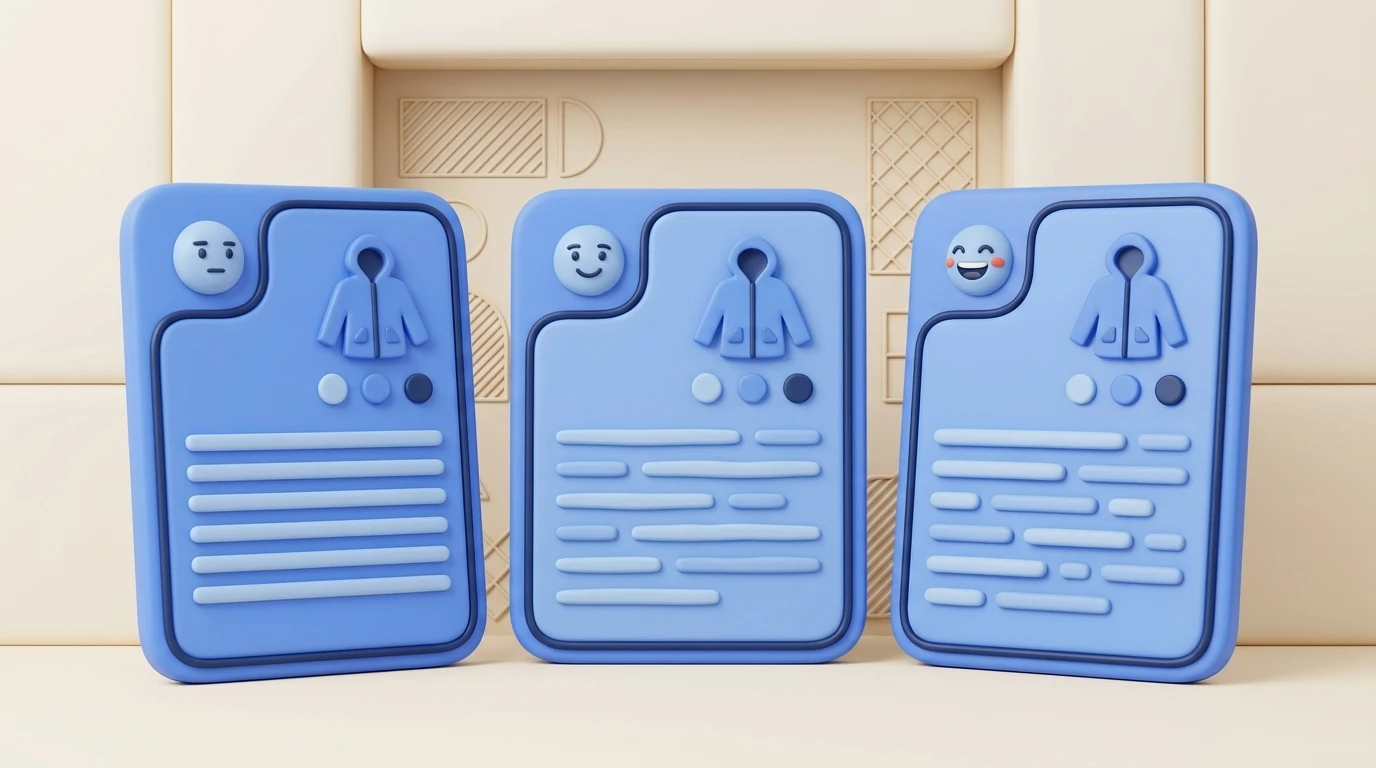
You can compare different tones of voice in writing without changing the underlying facts. Consider a fictional outdoor retailer whose brand voice is practical and encouraging. Its rain jacket is back in stock, and customers can select a size on the product page.
These examples change the attitude while preserving the message. The labels are useful descriptors, not rigid categories; a sentence can feel both conversational and reassuring.
Tone
Brand-matched example
Best fit
Formal
“The rain jacket is available again. Please select your size on the product page.”
Notices where distance and courtesy suit the context
Conversational
“The rain jacket is back. You can choose your size on the product page.”
Everyday product updates
Authoritative
“To order the restocked rain jacket, select your size on the product page.”
Instructions that need a clear next action
Reassuring
“If you've been waiting, the rain jacket is available again. You can choose your size on the product page.”
Readers who need uncertainty resolved
Empathetic
“Waiting for a restock can be frustrating. The rain jacket is back; choose your size on the product page.”
Customers who have experienced a delay
Enthusiastic
“Good news: the rain jacket is back! Choose your size on the product page.”
Welcome announcements
Humorous
“Rain has terrible timing. The rain jacket is back; choose your size on the product page.”
Low-stakes messages where light humor fits
Authoritative language does not require inflated certainty. Its strength comes from giving an unambiguous instruction. Likewise, formal writing can use plain words; replacing “choose” with “make your selection” adds distance without necessarily adding precision.
An urgent sales version needs a factual basis, such as a verified ordering deadline. Adding “last chance” to this restock message invents scarcity. Sarcasm creates a different risk: “Finally remembered to buy a jacket?” makes the customer the target of the joke, which conflicts with an encouraging voice.
Choose tone from the reader's situation
Choose a tone by considering what the reader needs to do and how they are likely to feel. We recommend giving the reader's immediate situation more weight than the campaign's preferred mood. A cheerful brand still needs serious wording when explaining a payment problem.
Nielsen Norman Group's four dimensions of tone of voice provide a useful framework: funny versus serious, formal versus casual, respectful versus irreverent, and enthusiastic versus matter-of-fact. These are adjustable dimensions rather than mutually exclusive categories.
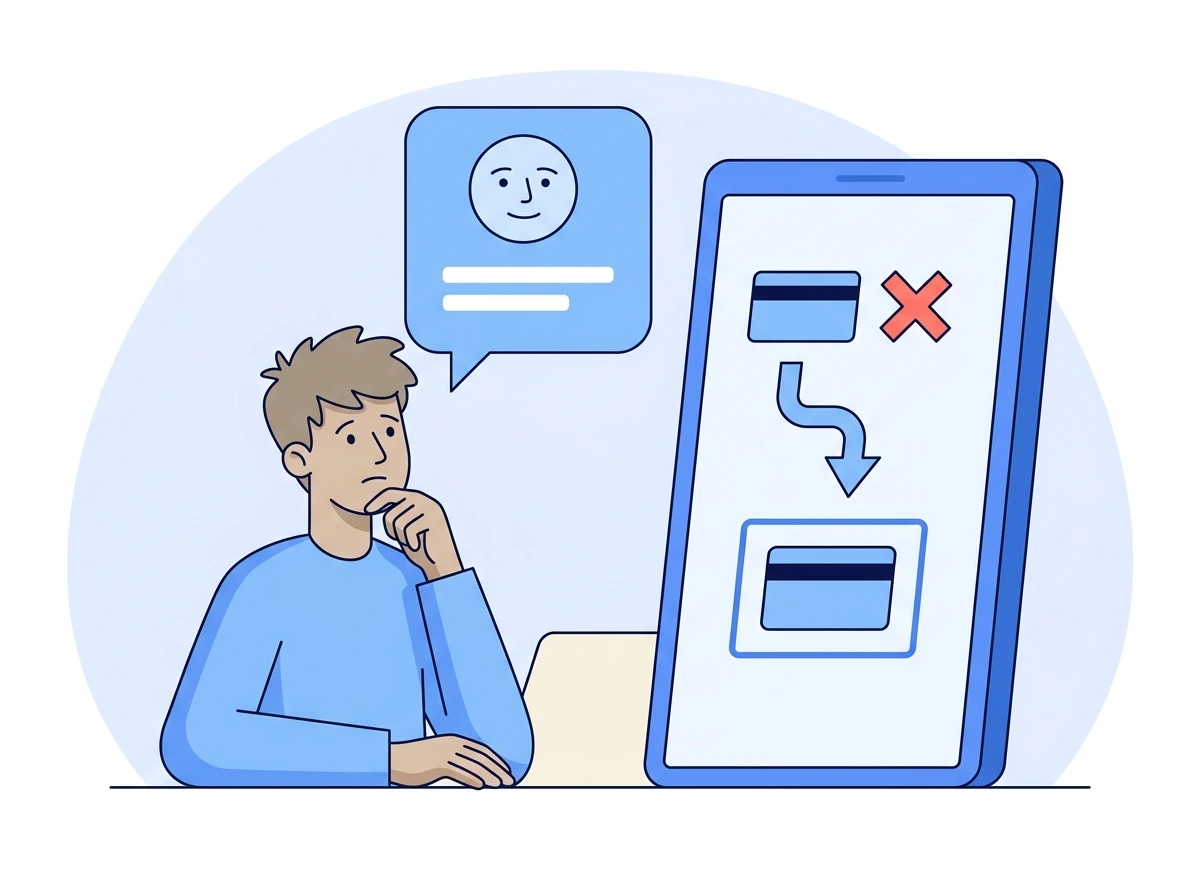
For a restock announcement, casual and enthusiastic wording may fit. For a failed checkout, move toward serious and matter-of-fact language while keeping the wording approachable. “Your payment didn't go through. Please try another payment method” gives a usable next step, assuming the checkout supports that option.
Match the emotional weight of the situation. A customer worried about a duplicate charge needs verified information about the transaction. An exclamation mark or “Oops!” can make the response feel careless, even if the writer intended friendliness.
Search intent also matters. Someone reading a jacket-care guide needs dependable instructions; someone browsing gift ideas may welcome a lighter tone. The publishing platform does not determine that choice. The reader's task does.
Turn tone labels into usable writing rules
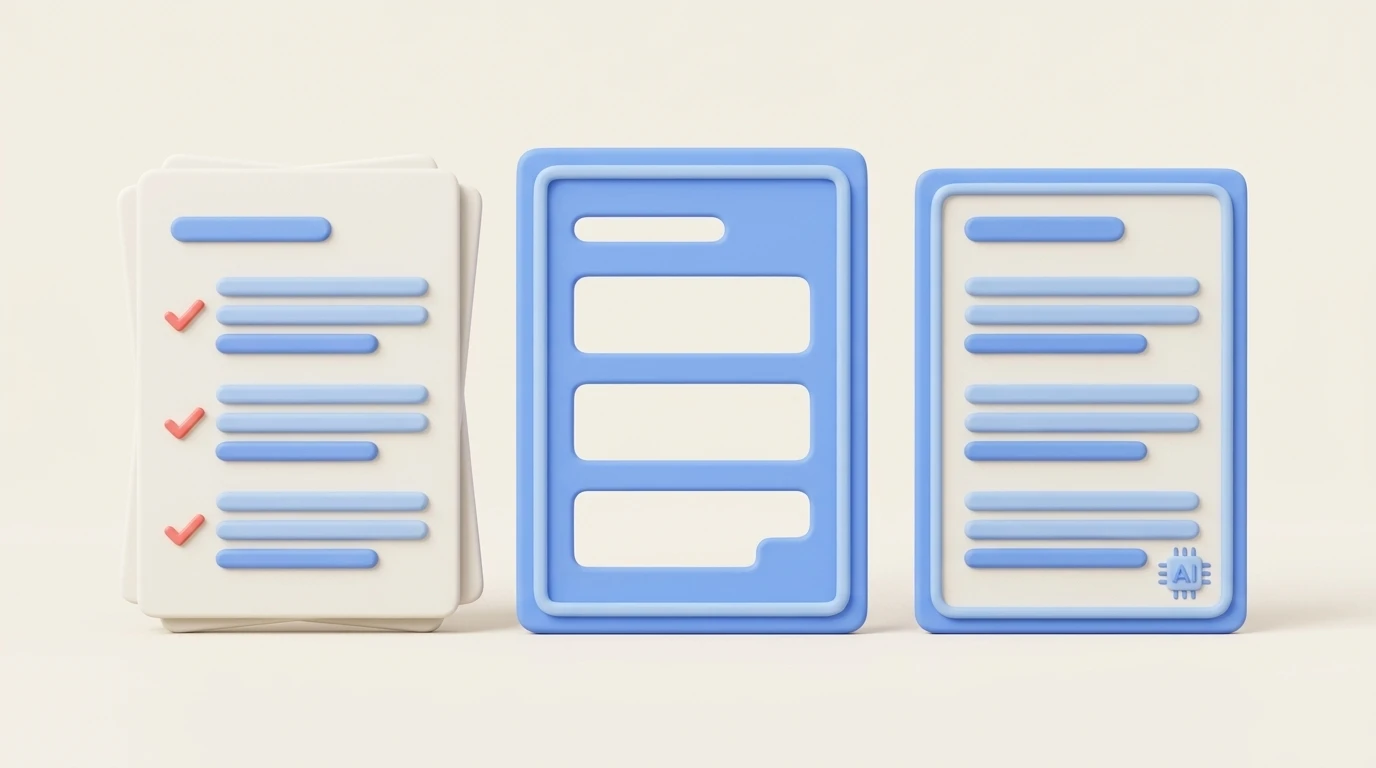
A usable tone rule connects an attitude to observable wording. “Friendly” leaves too much room for interpretation: one writer may add jokes, while another may simply remove formal phrasing. Give each assignment a short tone card that defines acceptable choices and boundaries.
For a Shopify retailer's jacket-care article, you could copy and adapt this template:
Tone-card field
Example instruction
Stable brand voice
Practical and approachable. Address the reader directly.
Reader's situation
The reader wants to clean a jacket without damaging it.
Target tone
Informative and reassuring, with serious wording around care restrictions.
Approved example
“Check the care label before washing. Use only products the manufacturer recommends.”
Avoid
Jokes about ruining clothing, unsupported guarantees, or phrases such as “obviously.”
Factual boundary
Preserve the manufacturer's instructions. Do not generalize one product's care requirements to every jacket.
Attach the tone card to the content brief before drafting. That gives editors a shared standard and reduces contradictory rewrites that can disrupt a recurring publishing schedule. When a draft misses the brand voice, you can identify the specific mismatch instead of requesting that it “sound more like us.”
VellumUp analyzes a site's voice and internal links to produce brand-matched SEO articles. When comparing SEO content writing software by workflow, evaluate how it supports your editorial requirements alongside its publishing process. Keep explicit tone boundaries for situations where a general brand description leaves room for error.
Review tone without changing the facts
Review tone by comparing your intended attitude with what a reader is likely to perceive. Anne Janzer's discussion of tone, style, and voice emphasizes the reader's experience of tone. A label in the brief cannot override the impression created by the actual words.
Ask a reviewer to describe the passage before showing them the target tone. If you requested reassurance but they describe it as patronizing, inspect the wording. “Simply,” “obviously,” and “just” can imply that a difficult task should have been easy.
Then compare the revised passage with its source facts. A rewrite that changes “may help” to “will fix” has changed the claim as well as the tone. Our guide to AI writing mistakes that hurt SEO and trust covers related accuracy risks; tone review should preserve the original level of certainty.
Localization needs the same discipline. Carry the intended attitude into each language, then have a qualified reviewer assess how it lands locally. An English joke translated word for word may sound confusing or disrespectful, while a direct instruction may require different phrasing to remain courteous.
Frequently Asked Questions
What are the seven types of tone?
There is no universal set of seven tones in writing. One possible teaching set is formal, informal, serious, humorous, optimistic, pessimistic, and neutral, but those categories overlap and leave out useful descriptors such as empathetic or reassuring.
How do you identify the tone of a paragraph?
Look at the wording and sentence construction, then describe the attitude they suggest toward the subject or reader. Support your description with a specific phrase: “You should have checked” sounds more accusatory than “Check this setting before trying again.”
What are examples of negative tones in writing?
Accusatory, dismissive, sarcastic, and condescending are examples of negative tones. “Obviously, you entered the wrong details” implies blame, while “The details don't match our records” states the problem without assigning fault.
What is the most attractive tone of voice in writing?
No single tone appeals to every reader or suits every situation. For practical brand content, approachable language supported by precise information is a useful starting point, with more restraint when the reader faces a problem.
Choose an existing paragraph and rewrite it for a different reader situation without changing the facts. Check the result against your tone card. If you need recurring, brand-matched SEO articles, review VellumUp's plans to assess the fit for your publishing workflow.