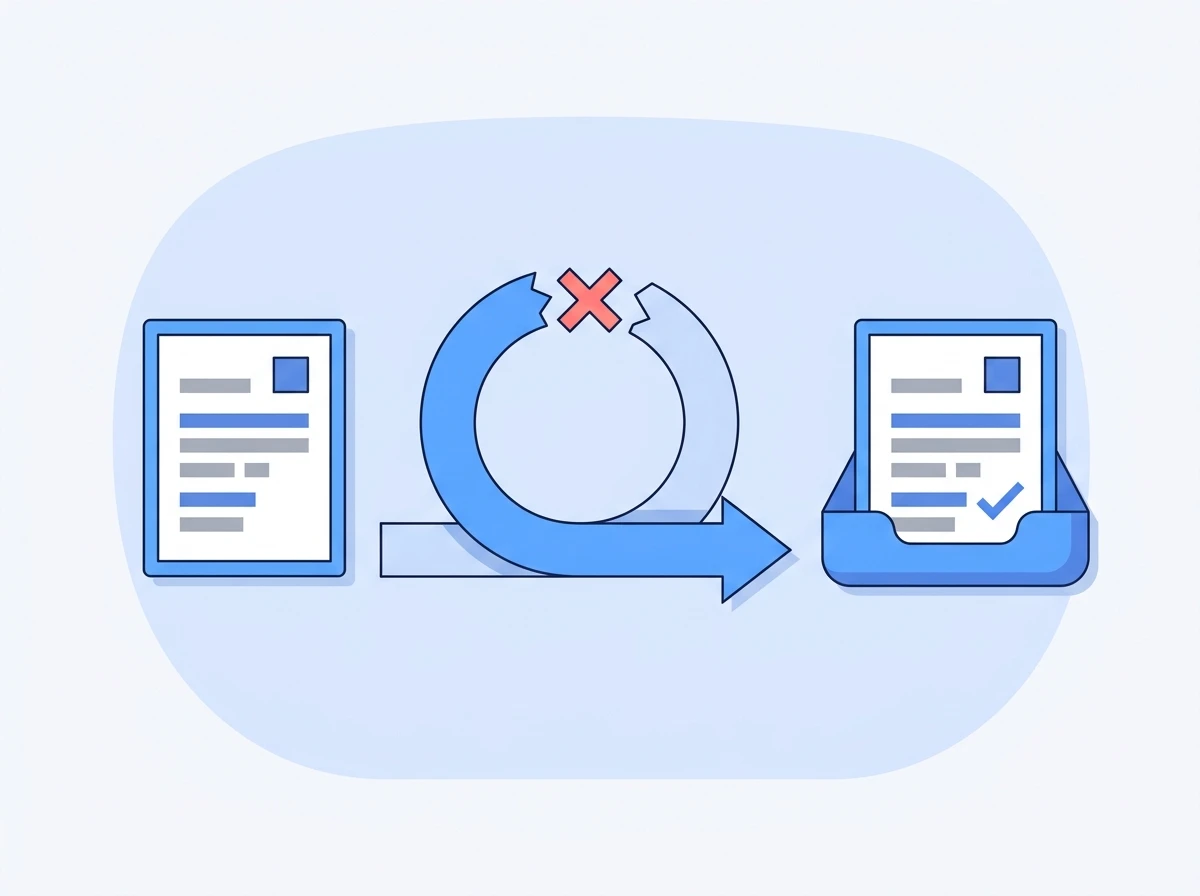
An seo agent uses connected tools and site data to recommend or execute SEO tasks. Choose one by testing research evidence and publishing controls, rather than judging its writing alone. Google Search Console reports clicks and impressions; a credible agent should distinguish those observations from estimates. This guide gives you a comparison framework and demo test.
Evaluate evidence, decision quality, and execution permissions before comparing output volume. An agent can produce a plausible brief while targeting a query your product cannot satisfy. It can also write a useful article that arrives in your CMS without the required category or internal links.
Start with research provenance. Ask whether each recommendation comes from your search performance, a keyword database, a crawl, or model inference. Google's Search Console Performance report documentation explains its metrics and reporting limitations. Those observations should remain distinguishable from third-party search-volume estimates.
Next, examine the decision. Good keyword research and analysis for SEO should explain search intent, identify the relevant existing URL, and justify creating or updating content. A difficulty score alone cannot establish whether your store has the products or expertise needed to answer a query.
Finally, inspect execution rights. Reading analytics, creating a draft, and editing a published page carry different risks. Require a clear account of what the system can change and what requires your approval.
The broader guide to what SEO work to automate and evaluate helps establish those boundaries; selection should focus on whether a candidate can honor them.
Choose a research-led system when prioritization is the bottleneck, a publishing-led system when delivery consumes your time, or a configurable agent when your workflow requires custom actions. Scope matters more than the agent label.
The table compares operating models, not verified product scores. “Strong fit” identifies the model most directly aligned with a requirement; individual products still need demonstration.
| Selection criterion | Research-led agent | Publishing-led platform | Configurable agent with tool access |
|---|---|---|---|
| Keyword gaps and opportunity analysis | Strong fit when connected to reliable research data | Verify research sources and prioritization logic | Depends on connected data and configuration |
| Brand-matched recurring articles | Verify writing and review capabilities | Strong fit for repeatable content delivery | Requires explicit voice rules and review design |
| CMS formatting and delivery | May require another system | Strong fit when your CMS is supported | Requires connector setup and testing |
| Approval and change control |
Choose a research-led agent if you already have writers and publishing staff but struggle to decide what deserves attention. Skip it if its recommendations still leave you manually transferring briefs and formatting every article.
Choose a publishing-led platform if inconsistent publishing or CMS uploads are your main constraints. VellumUp researches, writes, and automatically publishes brand-matched content, with connections for WordPress, Shopify, Webflow, Wix, and custom websites. Evaluate it against content-delivery requirements rather than assuming it replaces technical auditing.
Choose a configurable agent if a developer must coordinate custom data sources and site changes. Skip this model when nobody can maintain its connectors or investigate failed actions. Flexibility creates operational responsibility.
Run a controlled test using your own website and a genuine content need. A polished demonstration on the vendor's sample site proves little about your CMS fields or editorial standards.
Use this sequence as a repeatable acceptance test:
A useful seo keyword research report should make its recommendation auditable. Your team should be able to trace the proposed topic back to evidence without reconstructing the analysis. Use the keyword research template to keep candidate outputs comparable rather than accepting whichever report looks most polished.
Test internal links carefully. A valid URL can still be the wrong destination: an informational article may need a buying guide, while a product comparison may warrant a collection page. Matching anchor text to page purpose requires more judgment than checking whether a link resolves.
Block automatic publishing when factual review or delivery validation fails. Fluent writing cannot compensate for invented specifications, unsupported claims, or a connector that silently publishes to the wrong location.
Brand matching also needs a concrete test. Compare the draft with approved content for terminology and claim strength. If your brand says “supports” while the agent repeatedly says “guarantees,” the difference creates a review burden that automation has not removed.
Google's spam policies on scaled content abuse focus on content produced at scale primarily to manipulate rankings rather than help users. Producing more articles is therefore a weak acceptance criterion. Require each article to answer a distinct reader need and contain verifiable information.
Keep publishing and indexing separate. Successful CMS delivery does not prove that Google has indexed the page. Google's Indexing API documentation limits that API to eligible job-posting and livestream pages, so promises of guaranteed instant indexing for ordinary blog articles deserve scrutiny.
For an seo agency tool, also verify site isolation. A client's product details, voice instructions, or publishing credentials must not carry into another account. The freelancer workflow for automated content delivery covers the broader handoff process; your selection test should establish whether the tool respects those boundaries.
Compare the cost of content that passes review and reaches the correct destination. Subscription price alone leaves out editorial correction, manual uploads, and integration maintenance.
For seo keyword research software, confirm whether the plan includes usable research data or requires separate subscriptions. For publishing systems, inspect usage limits, supported destinations, and any charges associated with additional websites or languages. Request current terms rather than relying on an old software review.
Record the work your team performs during the demo. Repeatedly repairing internal links or reformatting tables is recurring labor, even when article generation appears inexpensive. A system that reduces drafting time but preserves every publishing task may address the wrong bottleneck.
We recommend rejecting any candidate that fails your essential acceptance requirements before comparing price. Then choose among the tools that work in your environment. A lower subscription cannot offset uncontrolled changes to a live site.
Can I use AI to do my SEO? Yes. AI can support research, drafting, and publishing when it has suitable data and permissions. Keep human review for business-sensitive claims and decisions that could materially change your website.
What does an SEO agency do that an agent might not? An agency can take responsibility for strategy, technical diagnosis, and coordination with your team. An agent's responsibility depends on its configured tools and scope, so identify who owns decisions and failure recovery.
Are SEO agents the same as SEO keyword research tools? Keyword research tools primarily supply data for evaluating queries and topics. Agents may use that data to recommend or execute subsequent tasks, but you should verify the actions they actually support.
Can an SEO agent publish directly to my website? Some can publish through CMS integrations or custom connections. Test field mapping, approval behavior, and interrupted delivery before allowing live publication.
Choose the workflow you need, then validate it with your own content and CMS. If your priority is recurring, brand-matched article delivery, review VellumUp's plans against the requirements your demo established. Keep approval control until the complete delivery path meets your acceptance criteria.
| Verify controls for recommended actions |
| Verify draft, scheduling, and live-publishing behavior |
| Must be deliberately configured |
| Custom technical actions | Usually outside the core workflow | Usually outside the publishing scope | Strong fit with qualified technical oversight |
| Ongoing maintenance | Validate data access and integrations | Validate CMS compatibility and delivery | Maintain tools, permissions, and failure handling |